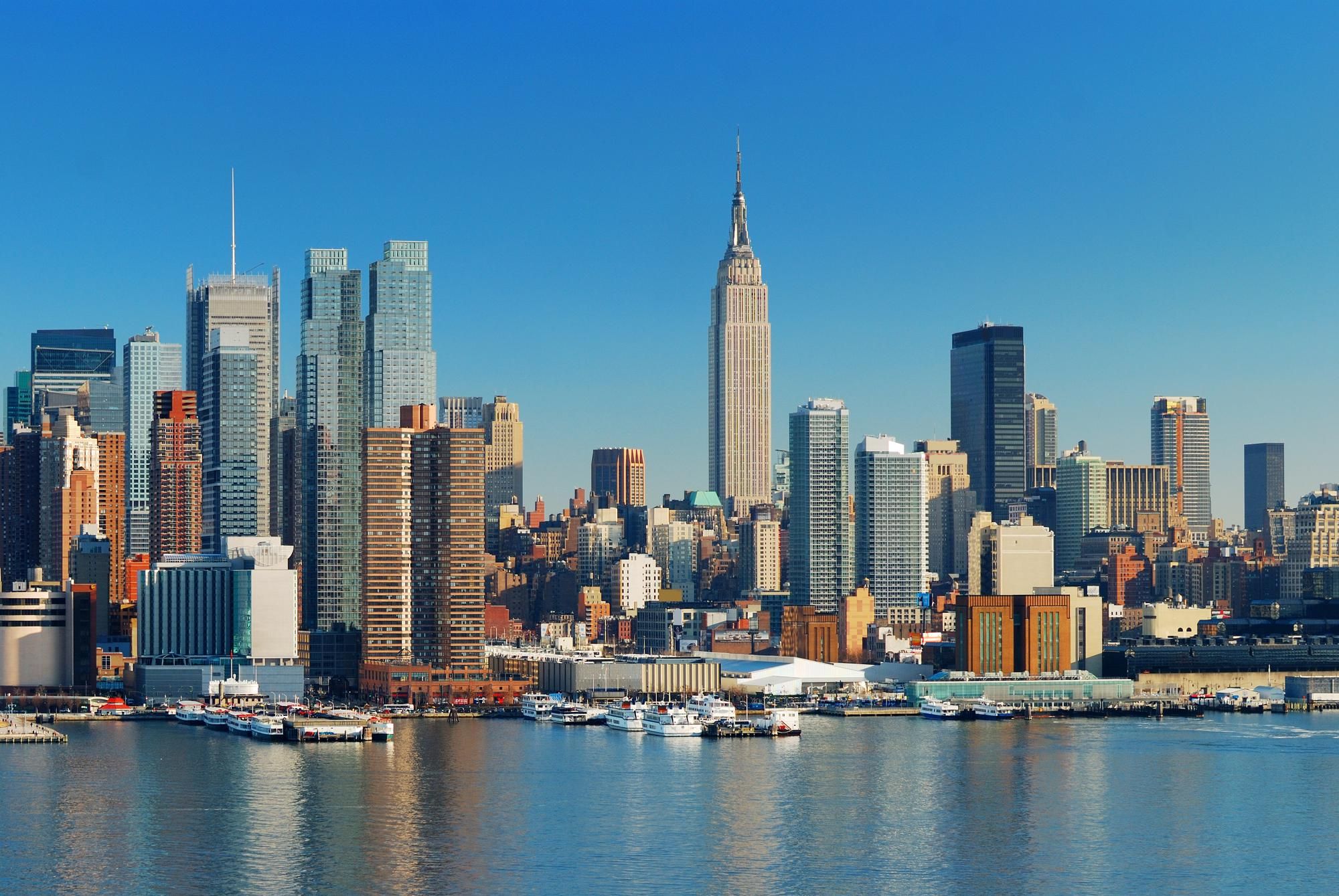
Commercial real estate,
brokered with discretion.
Multifamily apartment buildings, development sites, industrial and commercial buildings, and hotels and hospitality.
New York · New Jersey · Florida · Ohio
Current offerings
Properties for Sale
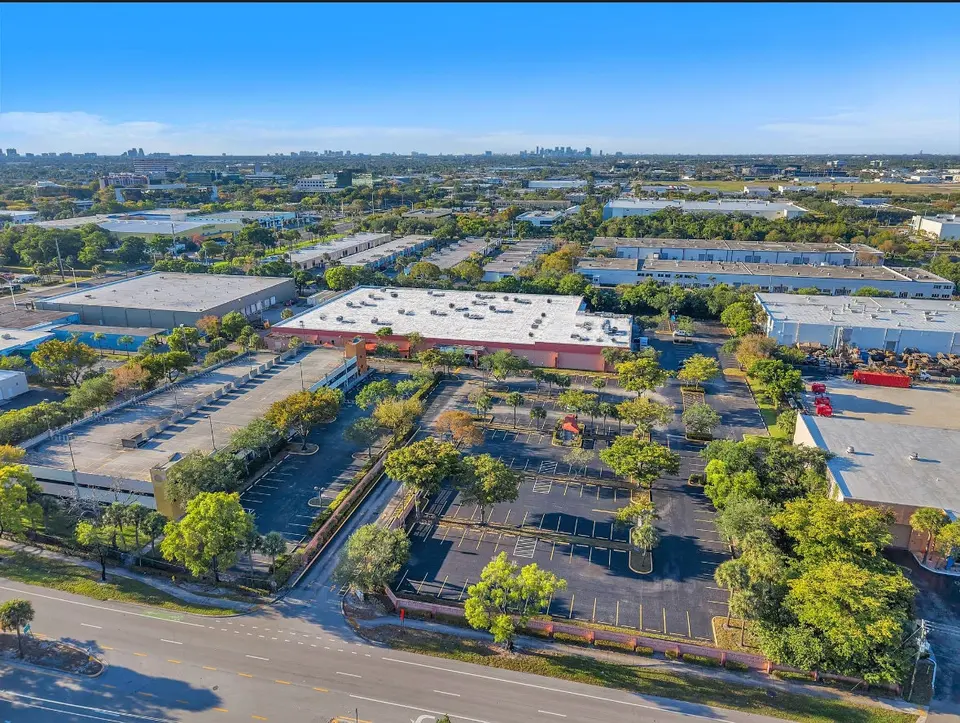
Fort Lauderdale · FL
1100 W McNab Road
Per sf: $283
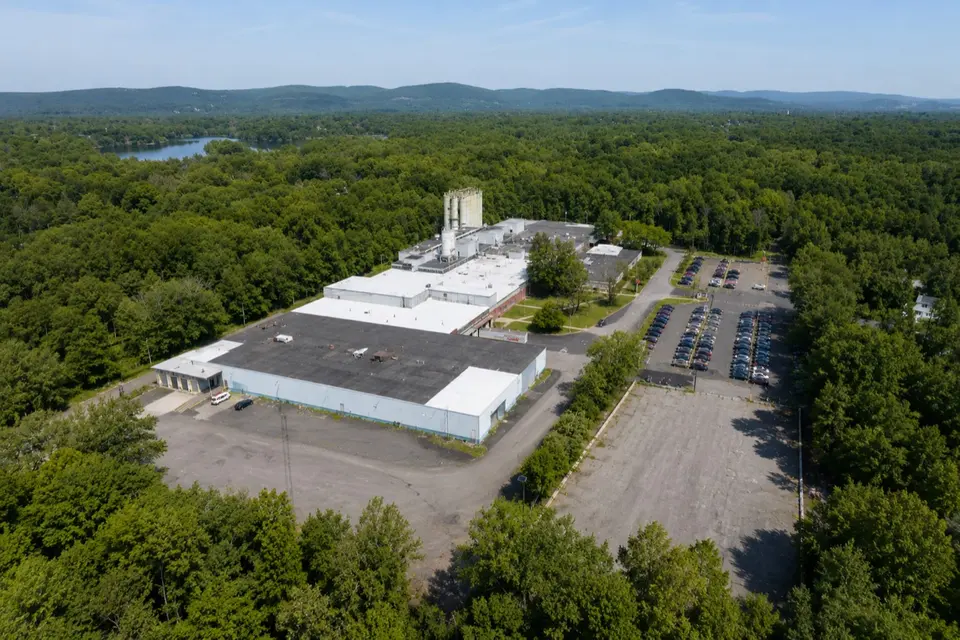
Wayne · NJ
Industrial Property with Huge Development Potential in Wayne, NJ
Per sf: $214
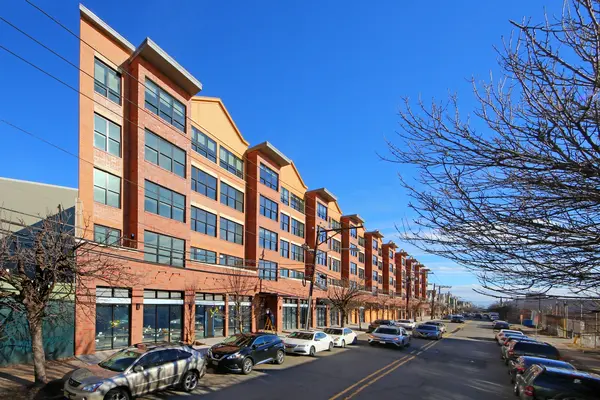
Newark · NJ
Residential Units, New Construction, Newark, NJ
Per sf: $716
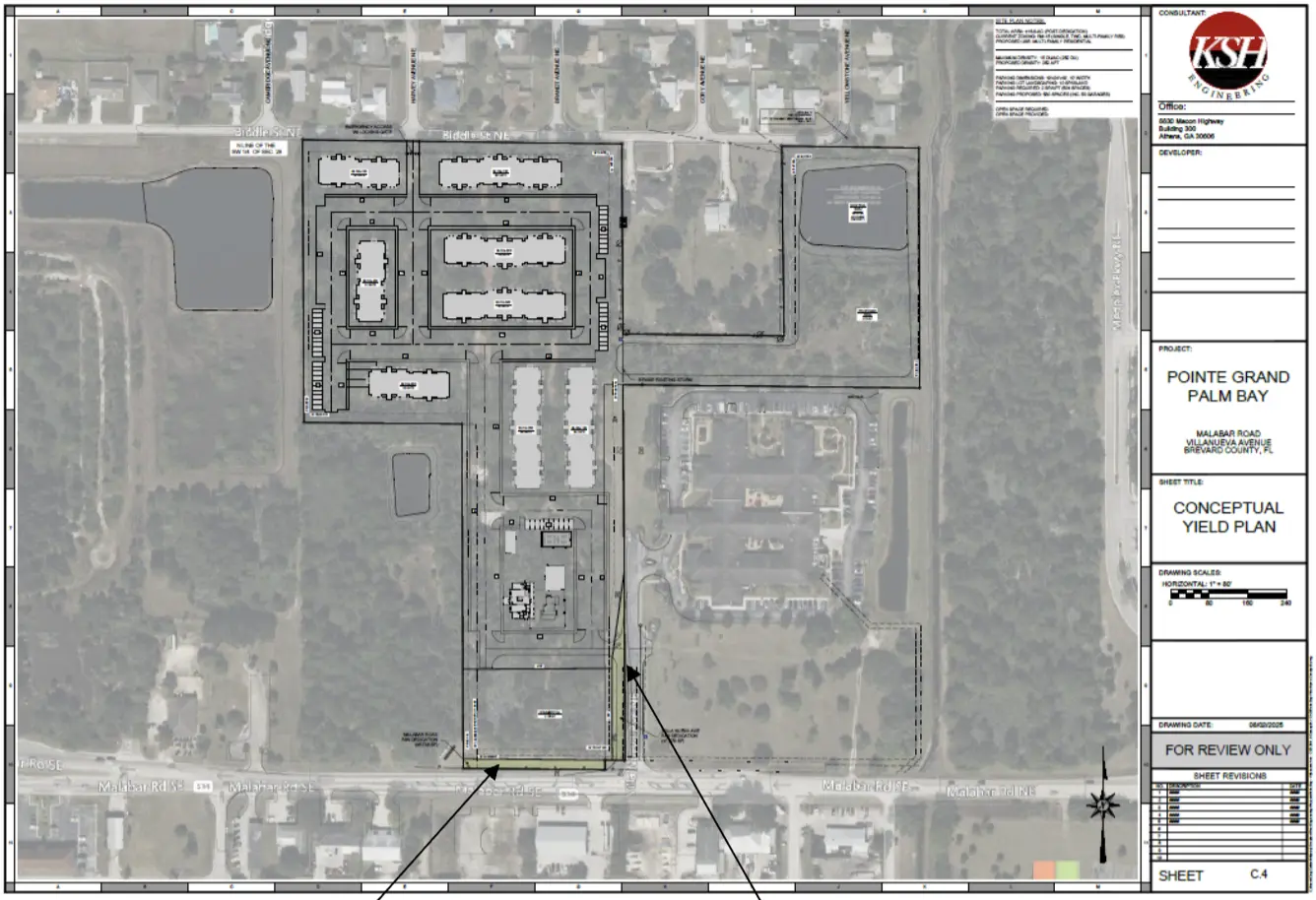
Palm Bay · FL
Workforce Housing Development Site, Palm Bay, Florida
Per acre: $297,619
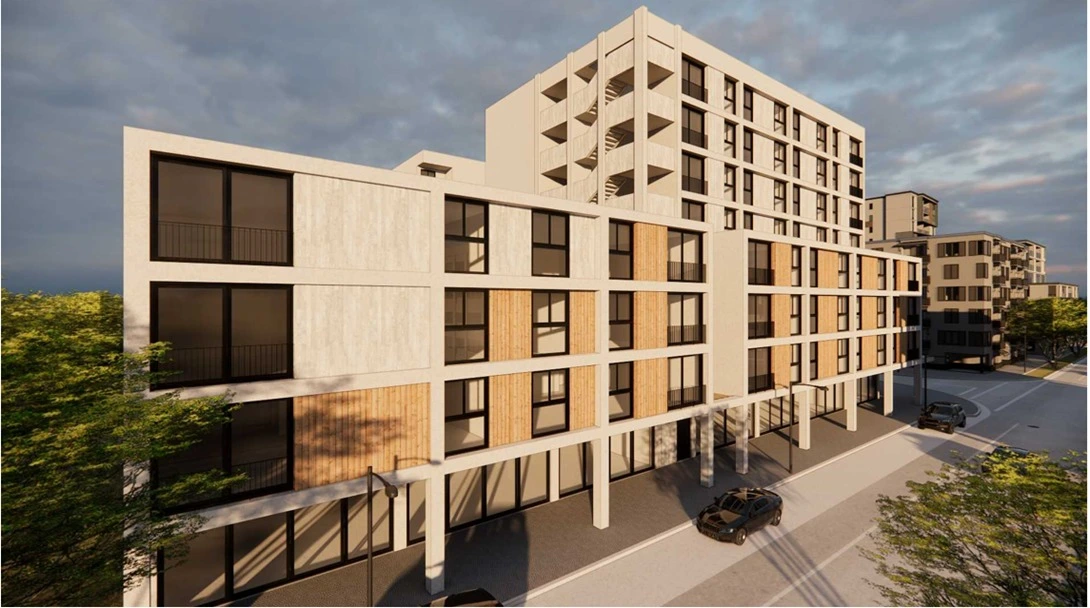
Silver Palm · FL
The Goulds
Per sf: $85
Interested in a property,
or have something specific in mind?
The broker
David S. Brown
Brokering commercial property in Northern New Jersey, South Florida, Manhattan, the outer boroughs, Connecticut and Massachusetts, with closed deals in all of these areas.
Before real estate: a U.S. Marine, an air traffic controller, a Harley-Davidson dealer and a high school teacher. Air traffic control is composure under load with no room for error. A dealership is closing people who are buying on feeling. Teaching is explaining a hard thing to someone who does not have your vocabulary.
Which is a broker's job, described three ways.
Track record
Closed transactions
- 227-Room Hotel Boston area · $12,100,000
- 314-Unit Class A Residential Property Northern New Jersey · $165,000,000
- Small Residential Development Site Miami · $6,500,000
Common questions
Questions people ask
For buyers
What is a good cap rate?
There is no single good number. A cap rate is the property’s net operating income divided by its price, so a lower cap rate means a more expensive building, and what counts as normal moves with asset class, location and risk.
Multifamily in a strong market typically trades at a lower cap rate than older industrial in a weaker one, because buyers will accept a smaller return for income they believe is safer. A high cap rate is not automatically a bargain; it is usually the market pricing in something.
A cap rate quoted without its basis is an assertion, not a fact. Every cap rate shown on this site carries the basis it was calculated from.
How do I find off-market properties?
Off-market property is not listed, advertised or posted, so it cannot be searched for. It reaches buyers through brokers who know both that the owner would consider selling and that you would consider buying.
Which means the practical answer is unglamorous: you get shown off-market deals by being a known, credible buyer to the people who see them first.
The useful move is to make your brief specific: asset class, size, geography, price band, leverage and timeline. A vague buyer is hard to call. A specific one gets called first.
Who pays the buyer’s broker?
In commercial real estate the seller customarily pays both sides, out of the sale proceeds at closing, from the commission agreed with the listing broker. Representation usually costs a buyer nothing directly.
This surprises buyers who assume that using a broker adds cost to a purchase. Ordinarily it does not, and going unrepresented rarely reduces the price; it just removes someone from your side of the table.
There are exceptions, and whoever is paying whom should be in writing before you are deep in a deal. It is a fair question to ask at the first conversation.
What are the 1031 exchange deadlines?
Two clocks start on the day the sale closes: 45 days to formally identify replacement property, and 180 days to complete the purchase. They run at the same time, not one after the other.
The 180 days is not 180 days after the 45. Missing either deadline generally means the exchange fails and the gain becomes taxable.
This is general information, not tax advice. Exchange mechanics require a qualified intermediary engaged before the sale closes, and the structure should be confirmed with your own advisor.
What is the real cost of buying, beyond the price?
The purchase price is not the all-in cost. Budget for closing costs, diligence costs and the capital the building needs after you own it, because the last one is where projections most often break.
Expect transfer and recording taxes, which vary widely by state and city; title insurance and survey; legal fees; lender fees and appraisal; and diligence, meaning environmental assessment and a property condition report.
Then the part that is not a closing cost at all: deferred maintenance, tenant improvement and leasing commissions on space you will need to re-let, and reserves.
For sellers
What is my commercial property worth?
Three numbers, and they rarely agree: what the income supports, what comparable buildings recently sold for, and what the land alone is worth. The gap between them is usually where the real answer sits.
For an older building on a large site, the land number can be the highest of the three. That changes what the property is and who should be buying it.
One thing worth checking on any valuation you are given: ask which income the cap rate is built on. Actual, projected and pro forma produce three different numbers.
Should I hire the broker with the most listings?
Not necessarily. A long list of listings proves a broker is busy. It does not prove they have sold a building like yours, or that they know who buys it.
Volume and fit are different things. A broker carrying forty listings may have sold nothing in your asset class or your price band.
Ask any broker, David included: what have you sold that is comparable, and when? Who are the likely buyers, and can you name them? What is the plan if the first round passes? The last one matters most.
Can a broker sell my property without publicly listing it?
Yes. An off-market sale means approaching a known set of buyers directly, with no public listing, no sign and no listing-site entry.
Tenants, staff and lenders do not learn the building is for sale. Competitors do not learn it either. And if the price is not met, there is no public record of a building that sat unsold.
The honest trade-off is that a smaller buyer pool can mean a lower price. Some properties are better served openly, and David will say so.
Who is the ideal buyer for my type of property?
A buyer is a firm that has actually bought something like your building recently, not a firm that is simply visible in your market. Those two groups overlap far less than people expect.
A developer is not automatically a buyer: building and holding is not the same as purchasing a finished building from someone else.
And a firm delivering competing supply into your submarket is a negative signal, not a positive one. They know the market intimately, which is exactly why their rational bid is a low one.
How long does it take to sell a commercial property?
Commonly six to twelve months from listing to closing, though three to nine is quoted often enough that the range is really the point. Pricing decides it more than anything else.
An optimistically priced building can sit for years and then sell for less than it would have made in the first month, because time on the market is itself information buyers read.
Tenancy changes the picture. A building with a long lease to a strong tenant is a different and usually faster sale than one with vacancy.
Get in touch
Discuss an offering
Discreet, individualized representation for buyers and sellers. Send a note and David will be in touch personally.
Thank you.
Your message has been received and David will be in touch personally.
or write directly: david@baron-realty.com
We use what you send here to reply to you, and for nothing else. No marketing, no mailing list. Cloudflare checks the form for spam. Privacy policy